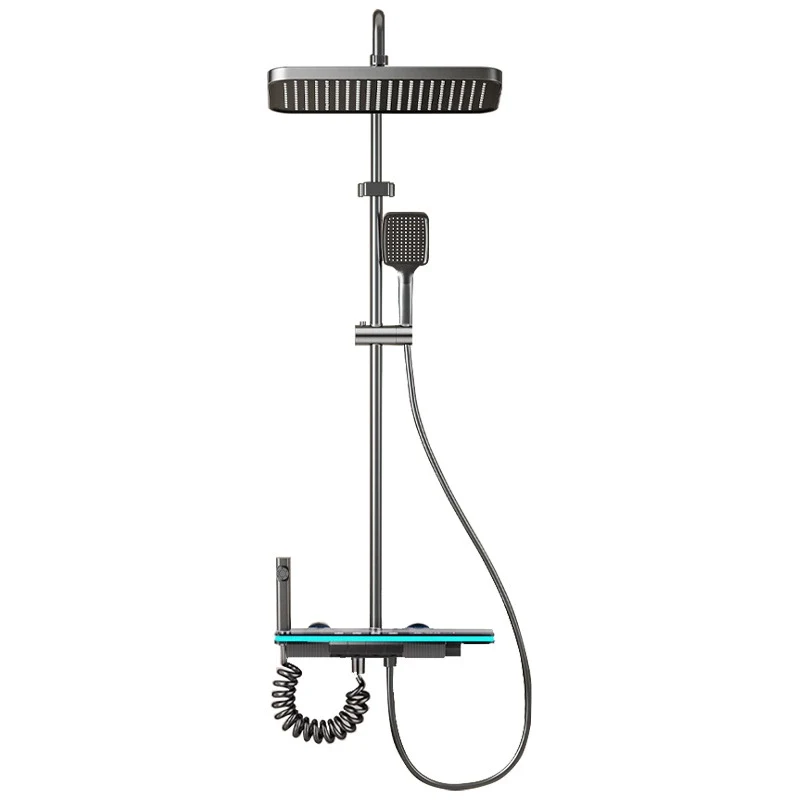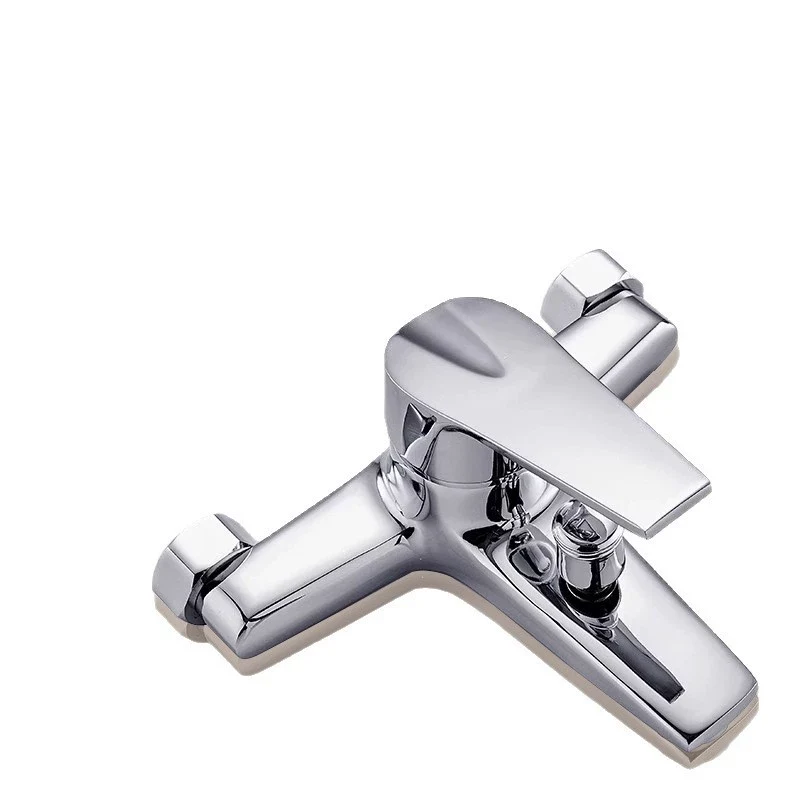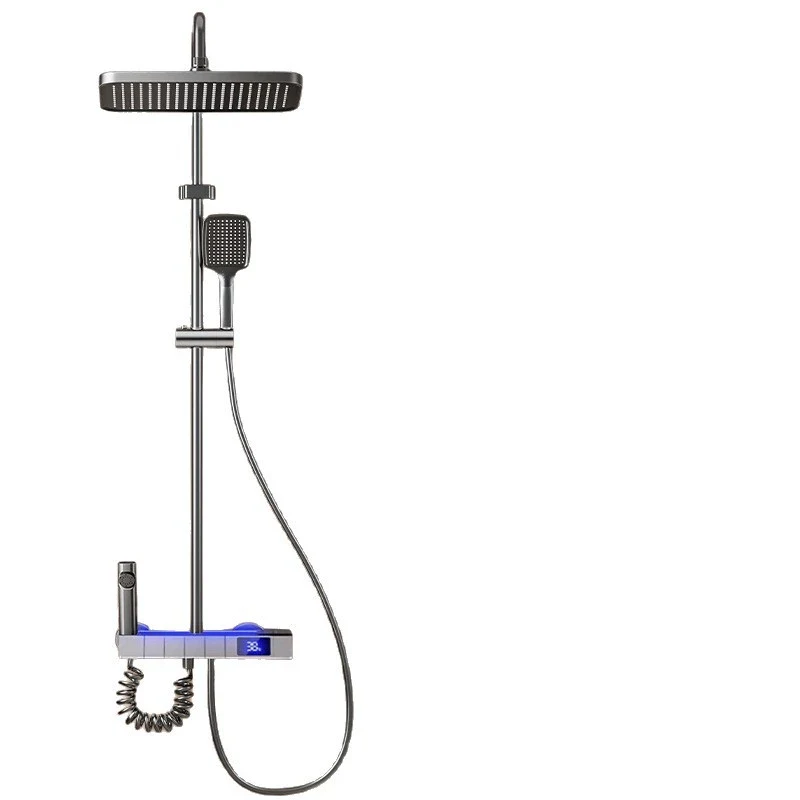
A reference photo is enough to begin a shower-product discussion, but it is not a complete production specification. Use it to explain the desired appearance, then identify required functions, installation, materials, components and branding separately. The next step is a feasibility review, not an assumption that the pictured product can be supplied unchanged.
Mark what matters in the reference
Our recommended first message explains which features are essential and which are only visual inspiration. A rectangular mixer, a large overhead shower and a dark finish might be appearance preferences; four outlets or a particular connection layout might be firm requirements.
Keep those categories separate. A supplier can then compare existing products with the brief or identify the development questions without guessing which part of the photograph attracted the buyer.
| Part of the reference | Helpful description | What the photograph cannot establish alone |
|---|---|---|
| Controls | Buttons, rotary selector or another preferred layout | Valve performance or simultaneous outlet capability |
| Display | Temperature information or lighting desired | Power source, rating or operating conditions |
| Materials | Component-specific requirement, where known | Alloy or internal construction |
| Installation | Supply direction and available space | Thread standard or exact dimensions |
| Accessories | Required overhead, hand shower, hose, holder or rail | Complete packed contents and quantities |
| Branding | Own artwork and preferred location | Feasibility of a particular marking process |
The purpose is to turn an image into questions that can be answered, not to manufacture certainty from a picture.
Compare an existing configuration before creating a new one
A reference-led enquiry does not always require a new product. An existing configuration may already cover the required purchasing unit, with only the proposed changes needing review.
For example, QSW range 1049709521606 distinguishes a display-and-light configuration from a non-display option. A buyer whose only functional choice is whether to have a display can begin with those identified options rather than treating the picture as a completely new design.P04
Similarly, range 1050584560218 separates mixer-only, fixed-holder and slide-rail combinations. Choosing the right base unit first can make the accessory discussion clearer.P11
This is a comparison method, not a claim that any reference is reproducible or that changes carry no cost. Feasibility, quantities and timing need review for the actual request.
Write a one-page brief in ordinary language
A useful brief can identify the buyer's market, the product's intended use, the essential functions, the installation requirements and the provisional quantity. Add the reference image with a short note describing what to keep and what may change.
If the buyer does not know a dimension or material, state that it needs definition. Do not fill in a “standard” value simply to make the brief look complete. A clear unknown is more useful than an invented measurement that later becomes a production instruction.
For a first discussion, rough quantity ranges can be labelled provisional. A supplier needs to understand the scale being considered, but the buyer does not need to claim a firm annual volume that has not been established.
Handle design rights and confidential information sensibly
Use references to communicate requirements and design direction. Do not instruct a supplier to reproduce another business's logo, customer identity or protected artwork without permission. Share only the drawings and files you are authorised to disclose.
For a buyer's own design, identify which documents may be used for evaluation and who is authorised to approve changes. Record any commercial arrangements for tooling or design deliverables explicitly rather than assuming ownership from a payment or a chat message. This article is a project-brief guide, not legal advice on intellectual property or contract terms.
Define what the feasibility review should return
Our suggested response format has three parts: an existing model or proposed direction, a list of changes being considered and the open technical or commercial questions. Each item should identify what is known, what must be tested or drawn and what is not currently offered.
A reference image of a lighted control panel, for instance, should not produce an unsupported claim that the product is hydropowered or thermostatic. The TZ-L record establishes a display and light but not their power source, illustrating why those details need separate confirmation.P02
Ask for the resulting model or revision identifier so further discussions can refer to one consistent proposal rather than an evolving collection of screenshots.
Move from proposal to sample deliberately
Agree the sample's purpose, representative components and any provisional elements. Keep requested changes visible in the quotation and approval record. A sample built to evaluate appearance should not silently become proof of final performance or packaging.
Before release, connect the accepted product specification, artwork, parts list and packing revision. If the design changes during sampling, issue a clear new revision and identify what needs reapproval.
Buyer questions
Do I need CAD drawings before making contact?
Not necessarily. A first discussion can start from a photo and a written requirement. Whether engineering drawings are needed later depends on the actual scope.
Can I ask for a different accessory combination?
Describe the required parts and preferred base model. The supplier should confirm feasibility, compatibility and the applicable commercial terms rather than treating every pictured component as interchangeable.
What is the most useful first message?
Send the reference, explain the essential features, name the destination and provide the intended quantity when known. Mark any flexible choices clearly.
Start an OEM/ODM discussion or review catalogue products first. Reference files can be shared through the existing contact conversation.