A private-label shower project is easier to control when the product, branding and packaging are approved as separate decisions. Choose the selling unit first, define the desired changes and agree a sample scope. Then confirm the order-specific minimum quantity, preparation time and production plan for that actual specification.
Decide which type of project you are starting
A catalogue product with a logo, a different accessory combination and a new product structure are not the same development task. Describe the requested changes rather than relying only on the labels OEM or ODM.
Our suggested brief separates three directions: an existing configuration with branding, a configuration or finish adaptation, and a reference-led development discussion. The feasibility, required work and order terms need to be reviewed for each. Naming an option in a brief does not establish that it is available on every product.
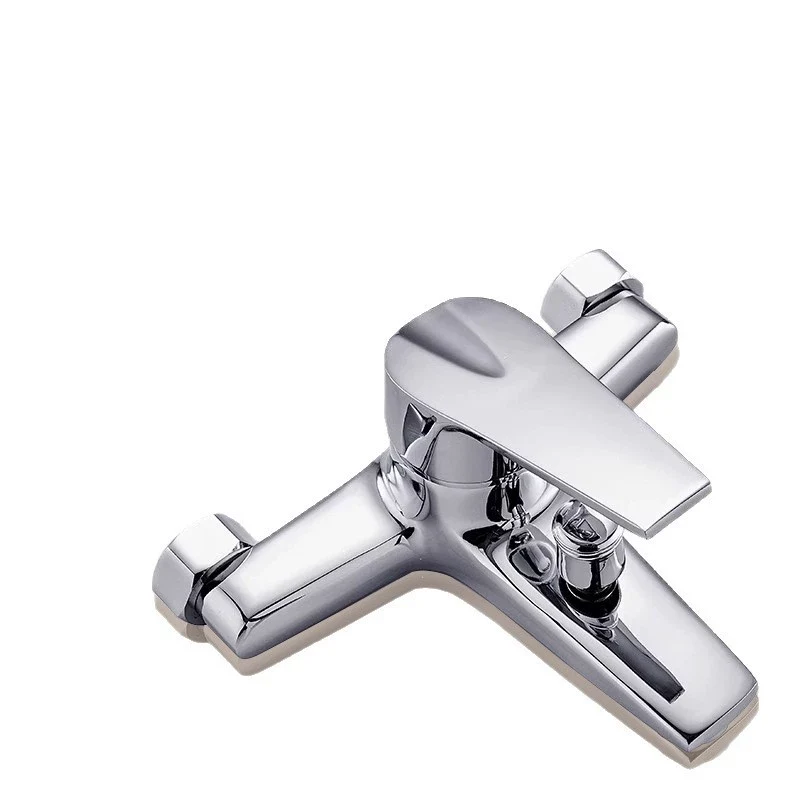
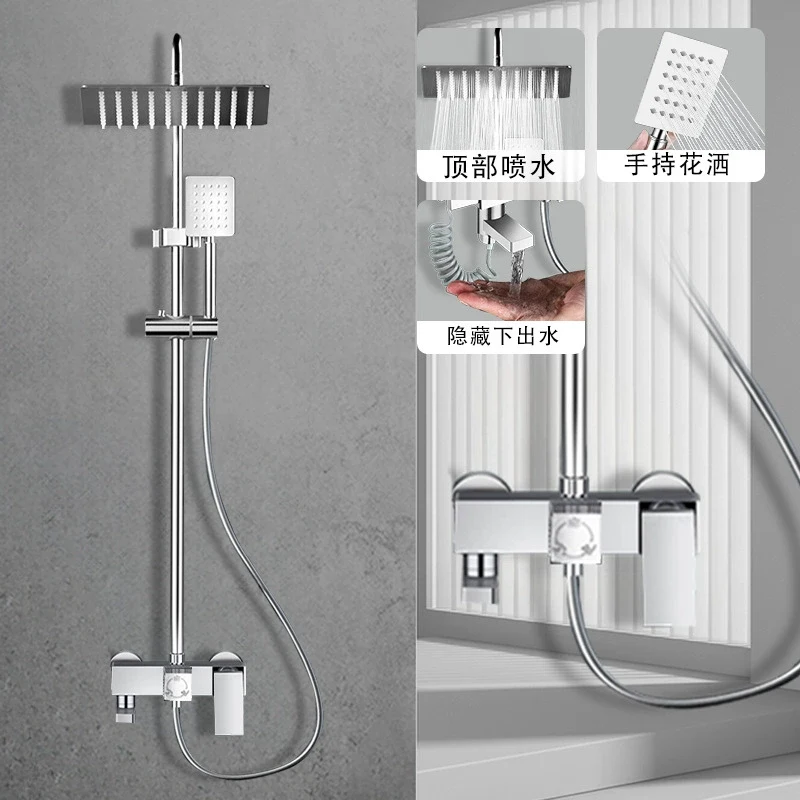
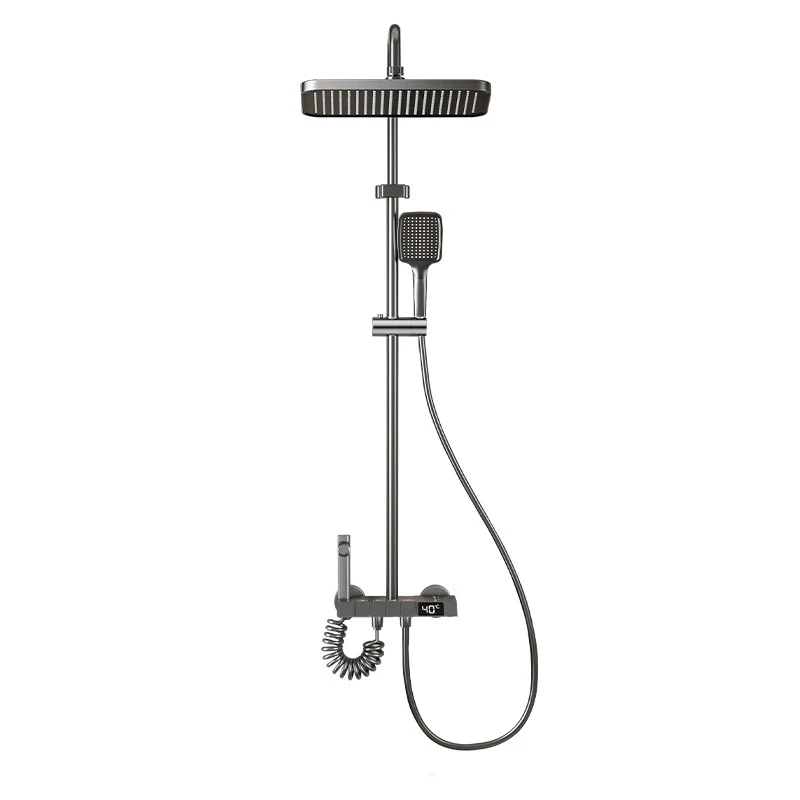
The current catalogue provides concrete starting points. Piano-key and wall-mounted systems can be compared by configuration, while mixer range 1050584560218 offers mixer-only, fixed-holder and slide-rail purchasing units. Select the unit that fits the intended branded range before specifying a box or logo.P11P07
Write a brand brief that the supplier can act on
| Decision | Information to provide | Approval evidence to request |
|---|---|---|
| Product | Model, configuration and required functions | Specification and parts list |
| Appearance | Finish reference and components that must coordinate | Relevant physical sample or agreed comparison record |
| Logo | Brand artwork, proposed location and size | Feasibility confirmation and artwork proof |
| Packaging | Selling unit, artwork, language and protection needs | Packing layout and sample where agreed |
| Documentation | Required product information and intended market | Model-specific files with applicable scope |
| Order | Quantity by configuration and target timing | Written quotation and agreed start conditions |
This is a planning framework. It does not set QSW's MOQ, guarantee a marking process or promise a production deadline.
Approve the product before dressing it as a brand
Check the underlying product facts first. If a range requires water-temperature information, identify the exact display configuration. TZ-XM documents a water-powered display with manual temperature adjustment; it should not be labelled as a certified thermostatic system simply because a branded box uses the word “smart.”P03
Similarly, a mixer-only option must not be photographed or packaged as if a hose and rail are included. Agree the supplied components, image scope and customer-facing name together so the package does not sell a different product from the one being manufactured.
For material claims, keep the component-level wording from the approved record. A logo redesign is not a reason to upgrade an ABS body description to an unsupported brass claim.
Treat artwork as a controlled document
Record which artwork version is approved, who approved it and which product and packaging it applies to. Identify the visible logo location and any mandatory information determined by the responsible market reviewer. Use only artwork and images the buyer has the right to use.
Do not treat a reference photograph as permission to reproduce a competitor's mark or distinctive design. Describe the required function and design direction, then review feasible, authorised options. The commercial discussion should be able to distinguish a visual reference from an instruction to copy protected material.
If the logo or finish changes after product approval, record the change rather than relying on an informal message. The sample, quote and production file should point to the same revision.
Package the actual selling unit
A branded mixer-only package and a branded slide-rail combination have different contents to identify and protect. Their dimensions may differ as well. In the reviewed 1050584560218 record, the five-mode fixed-holder and slide-rail options have different listed package dimensions.P11
Before approving artwork, confirm which package the design belongs to. Request a clear parts inventory, the intended protective arrangement and the product identification used on the carton. A beautiful rendered box is not evidence that the complete assembly fits or that the packaging is ready for shipment.
Where a physical packaging sample is needed, include it in the agreed sample scope and timing. Keep product-sample approval separate from packaging approval if they are completed at different times.
Agree the order around approval gates
Ask when production timing begins: after payment, product approval, artwork approval, packaging confirmation or a combination of these. Distinguish preparation, production and transport rather than treating one number as the entire delivery timeline.
Also confirm how changes will be handled. A new finish, extra component or altered logo location can change the scope being discussed. Request an updated quotation where appropriate; do not assume an early estimate remains valid after the specification changes.
No standard MOQ or free-sample policy is established by this guide. These terms need to be confirmed for the selected project rather than copied from another supplier's page.
Questions from first-time brand buyers
Do I need engineering drawings to start?
A discussion can start from an existing model, a reference image or a short product brief. The required technical information depends on the requested changes and must be established before approval.
Can I request only a logo and custom box?
You can present that scope for review. Confirm the applicable marking, packaging, quantities and sample arrangements for the selected configuration.
Should the sample and production files use the same identifier?
Keep them linked with the model, configuration and revision so the approved product is unambiguous. Document any authorised change before it enters the order.
Discuss a private-label or OEM project or browse the current product range to select a starting configuration.