What should a Nigerian toilet importer prepare?
This guide is for Nigerian importers, distributors and project buyers comparing conventional and smart toilets. Sources were checked on 2 November 2026. Ask the importer, customs representative and appointed conformity assessment provider to confirm the current requirements for the actual goods.
Separate product certification from shipment documents
SON describes SONCAP as a pre-shipment conformity process for regulated imports. Its service page distinguishes Product Certificates used for Form M from the SONCAP Certificate used for customs clearance. Have the importer and appointed conformity provider assign the applicable route to the declared products.
SON's SONCAP FAQ also distinguishes the Product Certificate and consignment-related SONCAP Certificate, and describes verification, testing and document review in the exporting country. Coordinate these stages before shipment. Match the selected models and consignment with the corresponding documents.
Build a toilet schedule that can be checked
Build a toilet schedule that can be checked| Schedule field | Information to send | Why it matters for purchasing |
|---|
| Product identity | Model, catalogue reference, photographs and drawing revision | Links the quotation and documents to the selected design |
|---|
| Installation | Wall-hung or floor-standing, outlet and rough-in drawing | Helps the installer assess the building interface |
|---|
| Supply package | Bowl, seat, cistern, frame, plate and connection kit | Avoids comparing incomplete and complete quotations |
|---|
| Smart functions | Requested washing functions, controls, power and water interfaces | Keeps the functional and electrical review specific |
|---|
| Order and shipment | Quantities, packing, invoice descriptions and destination | Helps the importer reconcile the consignment |
|---|
Use a separate row for each design and function package. Do not combine several visibly similar toilets under an ambiguous description. Record which accessories are included and which are sourced separately. If a drawing or configuration changes after the first quotation, circulate the revised schedule to the people handling inspection and documentation.
Compare one-piece, wall-hung and bidet toilet requirements
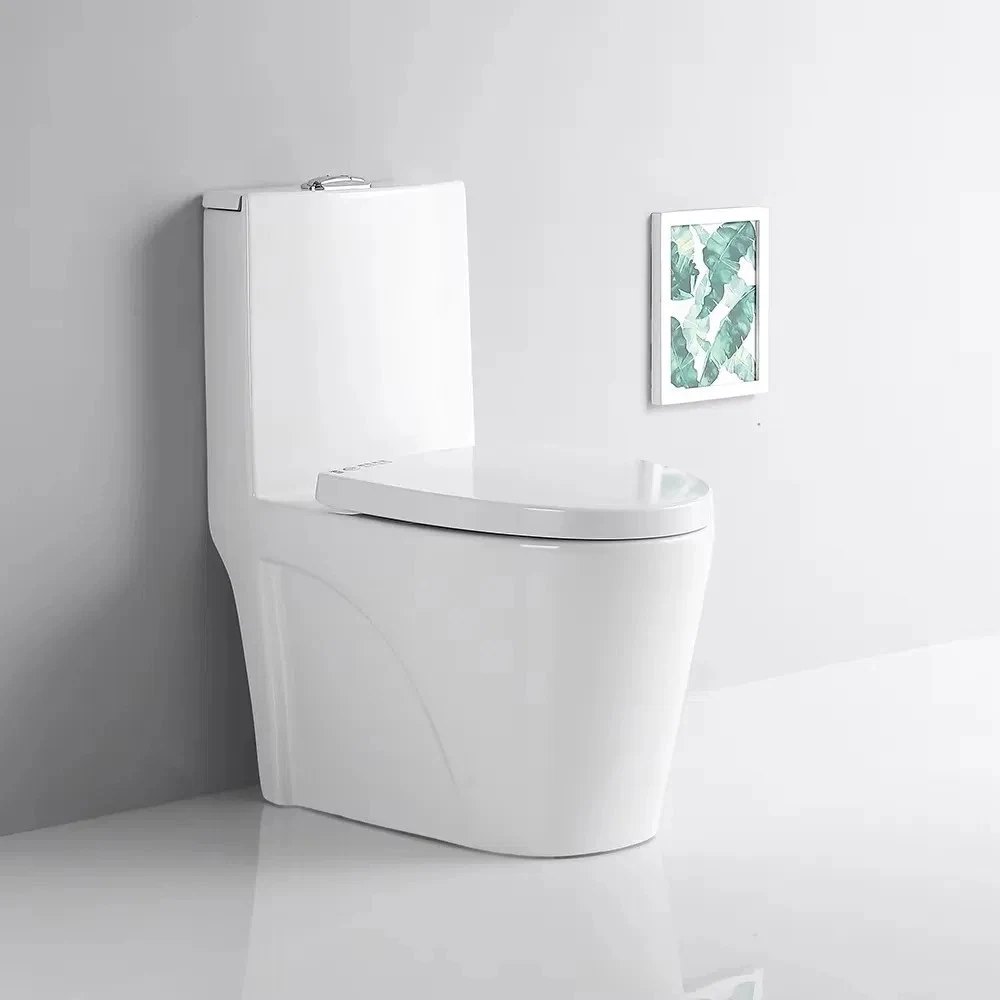
A one piece toilet is a different purchasing description from a wall-hung bowl with concealed equipment. The current M-20035w / WC-15 record lists a floor-standing one-piece design, manual dual flush and dimensions of 690 x 390 x 780 mm. Those details apply to that record; they do not describe every product in the range.
For wall-hung choices, review the bowl, frame, concealed cistern and flush plate as a coordinated package. The M-20015W / WC-13 record provides a starting model reference. Ask the installation team to review the actual drawing and supporting equipment rather than assuming that different brands or mounting systems fit together.
We develop bidet-toilet configurations around your required washing functions, controls, installation and quantity. Send the destination and product-document requirements with your brief for a coordinated quotation.
Related: custom manufacturing enquiry
Who Supplies What, and When?
Who Supplies What, and When?| Stage | QSW manufacturing team | Nigerian importer and appointed provider |
|---|
| Product selection | Model, bowl/seat package, installation drawing and quantity proposal | Classification and intended use |
|---|
| Before production | Requested technical file and agreed sample/inspection plan | Applicable product certificate route and assessment instructions |
|---|
| Before shipment | Actual model descriptions, invoice and packing records | Reconcile the Product Certificate and consignment SONCAP documents as applicable |
|---|
| Arrival | Product and shipment-reference support | Customs declaration, clearance and receiving arrangements |
|---|
The Product Certificate and shipment-related SONCAP Certificate serve distinct stages. Keep the exact model and shipment references visible through both handoffs.
Agree the document handoff before production approval
Ask the importer to identify the required product description, classification and document route. Ask the supplier to return the exact proposed models, technical documents and packing scope. Agree who will arrange any assessment, who will check the resulting documents and who will reconcile them with the shipping paperwork.
Keep a simple exception list beside the schedule. Examples include a changed seat, a different actuator, a revised outlet arrangement or an additional powered function. Resolve each exception against the affected line. A certificate for an earlier version should not be casually reused as the basis for purchasing a different configuration.
Check samples, packing and commercial scope
Use the selected sample and drawings to agree appearance, dimensions, interfaces, component count and packing review. Identify any requested test or independent inspection before approving the order. For ceramics, discuss how the packing protects edges and exposed surfaces and how item references remain readable when cartons are separated at the destination.
Keep packing and replacement parts as explicit quotation lines. A mixed bathroom order may include basin mixers, vanities and showers, but shared shipping does not make their specifications or documentary requirements identical. Record each category independently in the combined purchase schedule.
Send your Nigeria sourcing brief
Send model references, quantities, installation drawings, the requested component package and the Nigerian destination. Include the document requirements supplied by your importer and any sample or inspection request. Start with our Nigeria sourcing page, toilet catalogue and multi-category RFQ checklist.
QSW can organise model specifications, samples, packing and requested supporting files for the toilet order. The Nigerian importing team and appointed conformity provider handle the applicable certification and clearance stages.