A repeat shower order should reference the approved product and revision, not only the phrase “same as last time.” Keep the model, catalogue reference, configuration, components, finish and packing linked to the previous acceptance record. Any proposed change should be explicit before the new order is approved.
This guide recommends a change-control workflow. It does not promise that products never change or that every repeat order can use identical commercial terms.
Use an identity that survives a repeat order
In the QSW catalogue, a model-family name can appear in more than one product entry. ZT-QHE is used for different references, including a display-option product and different outlet or supply arrangements. The catalogue reference and configuration therefore matter alongside the model name.P04P06P10
A reorder line should identify that complete combination, the approved revision and the required quantity. Attach the specification or an unambiguous link to the accepted version. Do not rely on a screenshot whose origin or date is no longer clear.
Keep a baseline that describes the delivered product
Our suggested baseline includes the accepted parts list, material scope, installation details, approved finish, artwork and packing revision. Include the sample-approval record and any changes agreed before the previous delivery.
| Baseline item | What the repeat order should preserve or review |
|---|---|
| Product/configuration | Exact assembly, not merely a family name |
| Components | Supplied items and quantities |
| Materials | Component-specific supported descriptions |
| Functions | Outlets, spray settings, display and documented control scope |
| Installation | Drawings, connectors and relevant dimensions |
| Finish/artwork | Approved appearance and brand-file revisions |
| Packaging | Package type, labels, contents and confirmed measurements |
| Commercial scope | Current quantity, timing, price and delivery arrangements |
Technical consistency and commercial renewal are related but separate. Reordering an approved assembly does not automatically freeze all future pricing or timing.
Compare proposed changes field by field
Ask the supplier to identify any difference from the baseline. A useful change record shows the old value, proposed value, reason, affected configurations and evidence needed for approval. Avoid a vague statement such as “equivalent upgraded part” when the buyer has not reviewed the change.
A substitution may affect a component, material, supply layout, finish or packing. It may also affect documentation or spare-part compatibility. The review should follow the actual change rather than assuming that a cosmetic similarity means no further action is needed.
Do not treat silence as agreement. Keep the proposed substitute separate from the accepted order until the authorised buyer has made the decision.
Use concrete product distinctions to prevent accidental substitutions
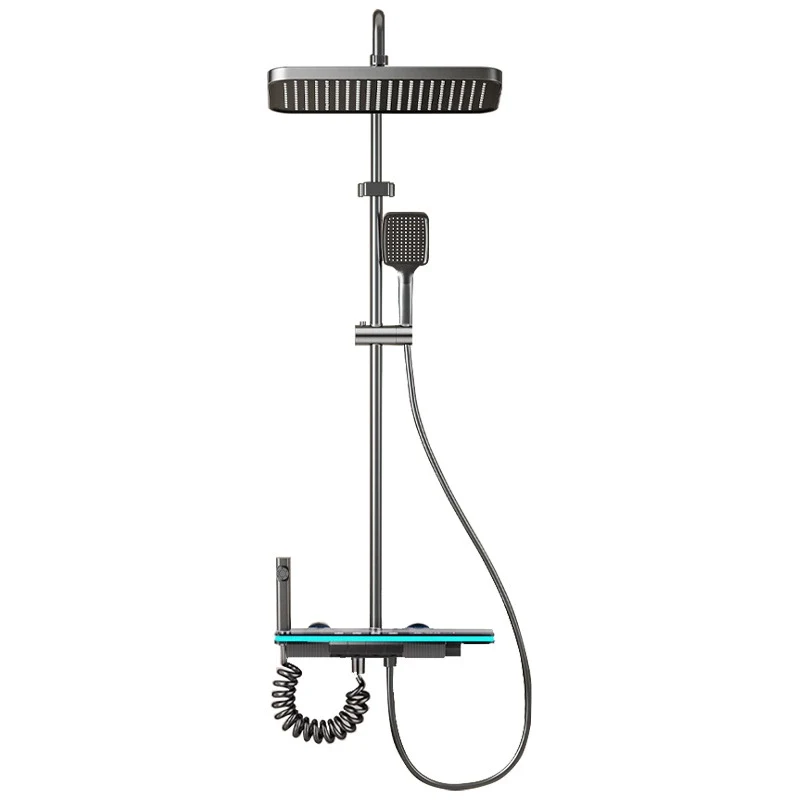
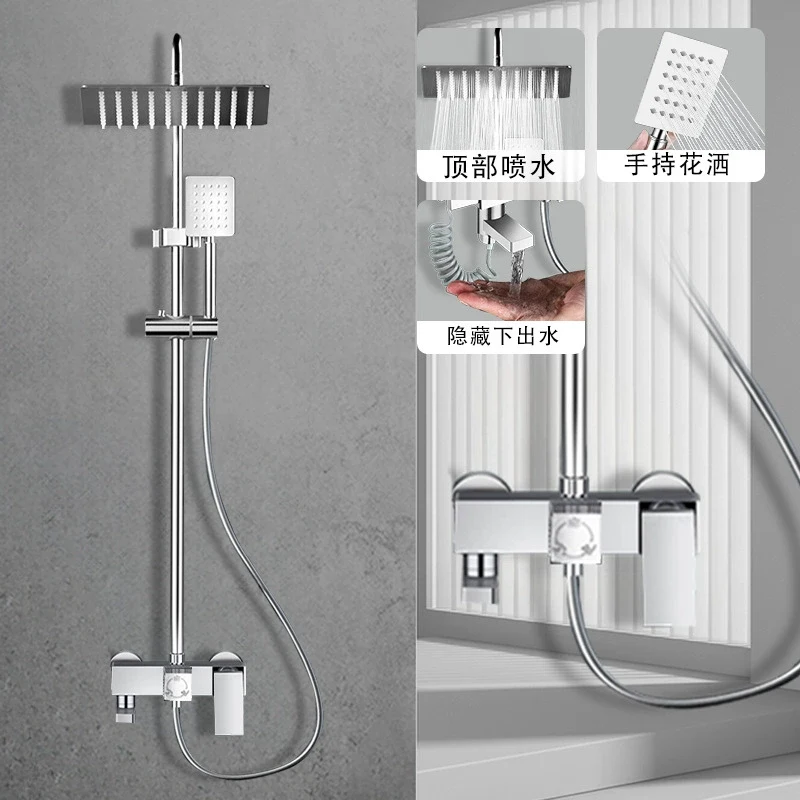
The three/four-outlet range 1049663109937 illustrates a visible parts difference: the four-outlet version includes a spray gun and coiled hose. A repeat order for the three-outlet option must not be changed simply because the four-outlet photo is easier to find.P07
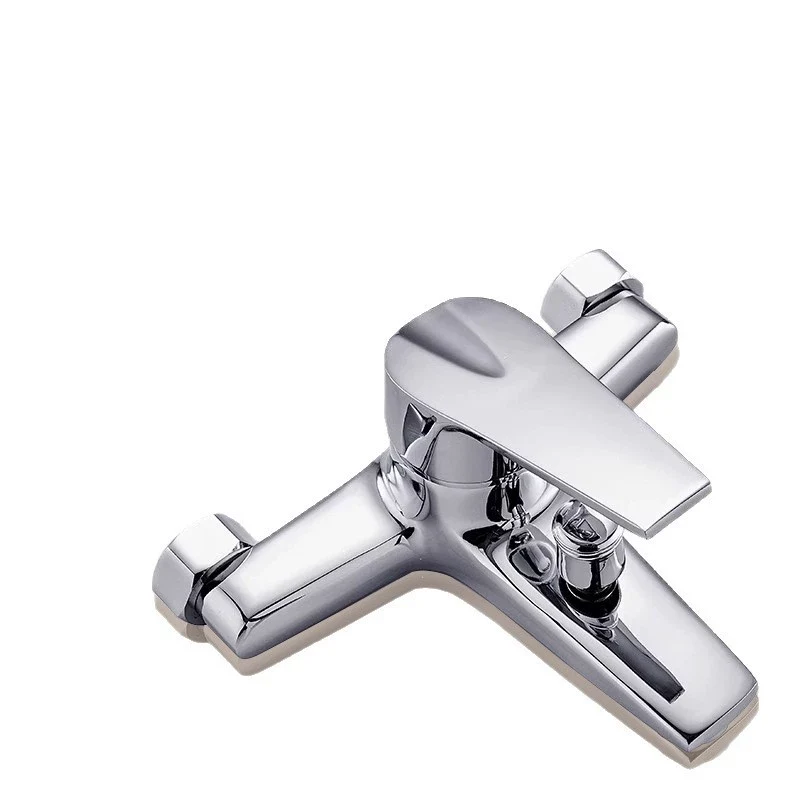
The mixer range 1050584560218 illustrates a different issue: mixer-only, fixed-holder and slide-rail options have different supplied parts and some different packing records. A family-level reorder description would not adequately distinguish them.P11
These are examples of why an identifier and accepted configuration record are useful. They are not accounts of an actual substitution or customer complaint.
Decide whether a change needs renewed approval
Our recommended review asks what the change affects. A new component that alters fit or function may need a revised sample or relevant technical evidence. An artwork update may require a new proof. A package-size change should trigger a packing and transport review.
The appropriate approval depends on the purchase and the responsible reviewers. Do not assume every minor administrative edit requires a complete retest, but do not waive a meaningful product change just to keep the schedule unchanged.
Record the decision and its scope. If one finish or configuration is approved, name it. Other variants should not automatically inherit the approval without an identified basis.
Update every place the specification is used
Once a change is accepted, align the product page, comparison table, quotation, parts list, sample record and packing information. Retain the earlier revision for orders that were supplied under it.
For a distributor, customer-facing information and service records need the same attention. A current online image may show a revised product while an earlier customer needs parts for an older version. Preserve enough history to identify which product is involved.
If a conflict remains unresolved, keep it visible to the responsible team rather than publishing a more convenient claim. A new article or brochure should not recreate a material or function statement that the product record has already rejected.
Review performance with evidence, not memory
Before a repeat order, compare actual sales, enquiries and support observations against the previous assortment plan. Identify which variants need replenishment and which questions remain unresolved. Do not extrapolate a single customer comment into a universal claim about demand or reliability.
A repeat-order conversation can then focus on quantities, approved changes and current timing, rather than reconstructing the product definition from scattered chat messages.
Buyer questions
Is the same model code enough for a reorder?
Not in a catalogue where model names are reused across references. Include the product reference, configuration and approved revision.P04P06P10
Can a supplier substitute an apparently similar component?
Treat a proposed substitute as a change to review, not an automatic equivalence. Identify the affected specification and approval requirements.
What should I send when reordering?
Provide the previous order reference, exact configurations, required quantities and any requested changes. Ask for confirmation against the accepted baseline and a current quotation.
Send a repeat-order enquiry or review the sample approval process before accepting a revised configuration.