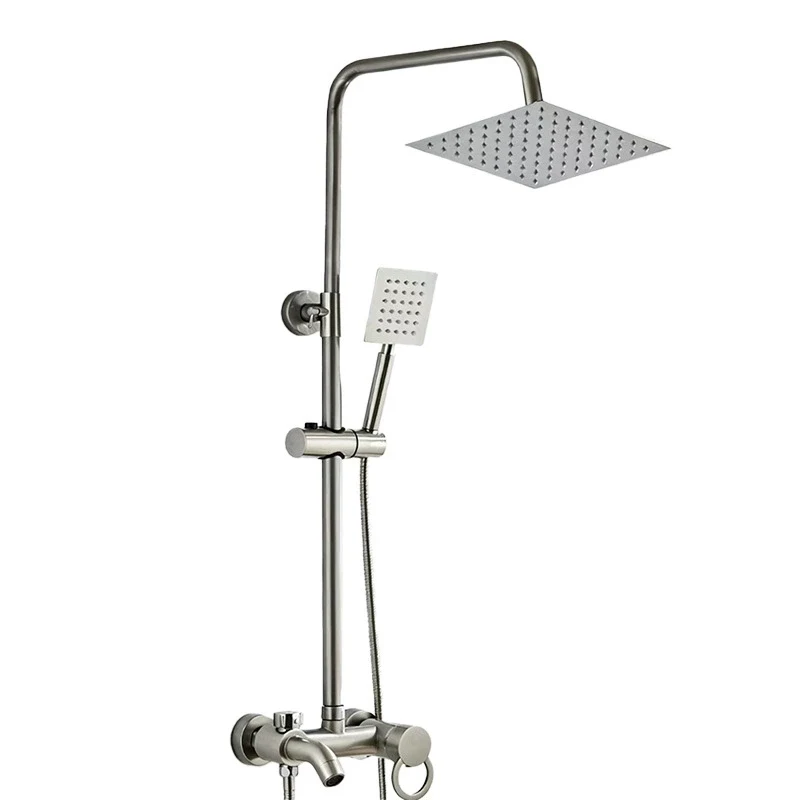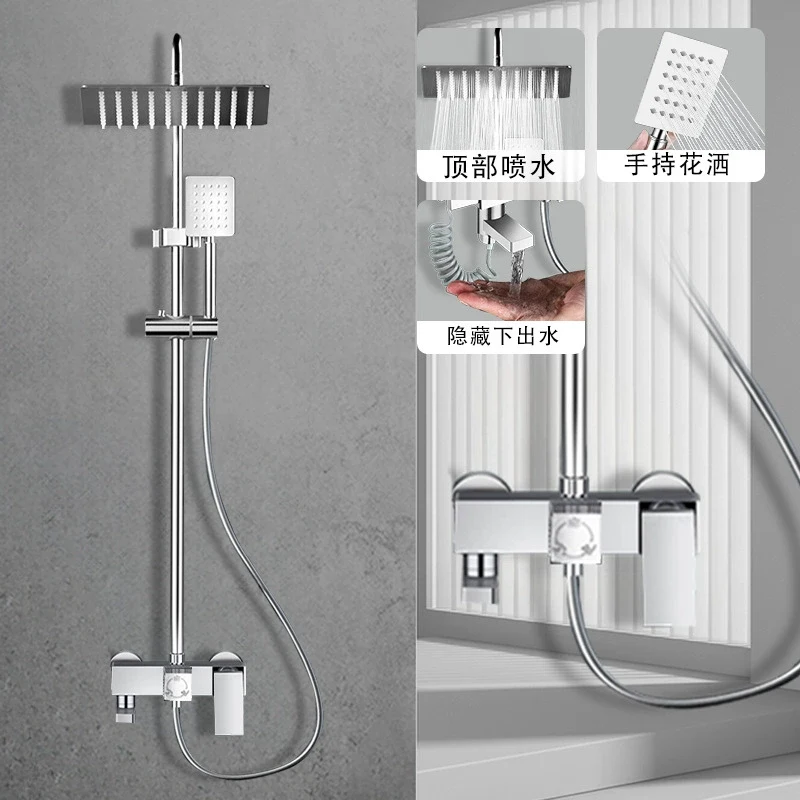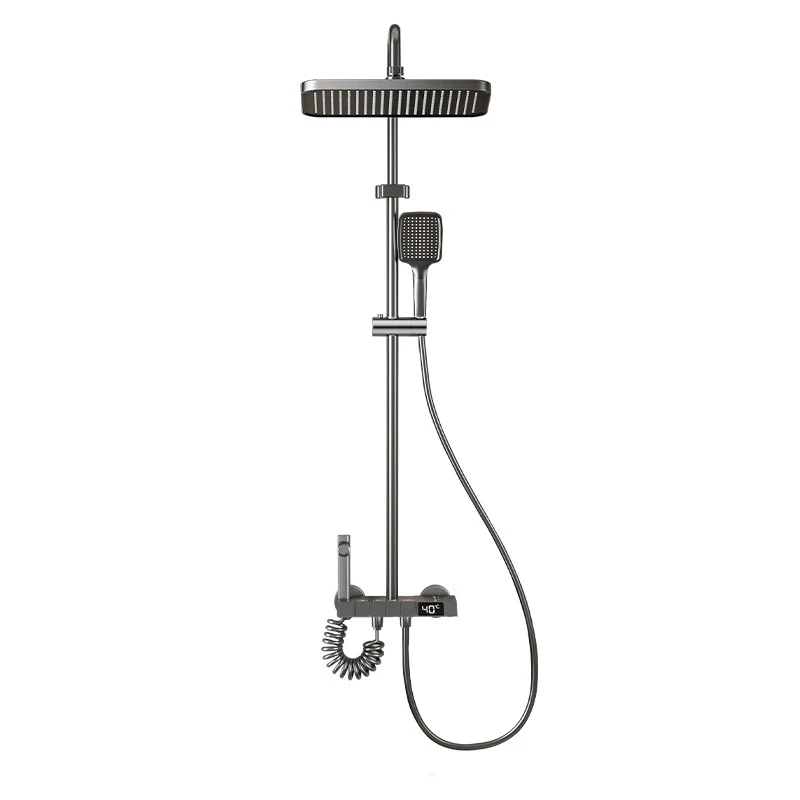
For a low-water-pressure shower enquiry, ask for performance under defined supply conditions rather than accepting a “high-pressure” product label. Identify the available hot and cold supplies, the chosen outlet, the required flow and the valve's stated operating conditions. A marketing term alone does not answer whether the proposed set suits the installation.
Separate pressure, flow and product rating
Pressure and flow describe different aspects of the water supply. A product's nominal pressure rating is also different from a recommended operating range or a measured flow result. Keep those fields separate in the purchasing brief.
H43148's reviewed record, for example, lists a nominal pressure of 1.0 MPa. It explicitly does not establish that value as a recommended operating range. It should not be turned into a statement that the shower performs satisfactorily at every lower pressure.P05
The QSW three/four-outlet source labels contain promotional pressure wording, but the reviewed record does not supply a validated low-pressure flow curve. That wording is not used here to promise a pressure increase or a quantified water-saving result.P07
Ask for a test record that can be interpreted
Our recommended record identifies the test unit, its configuration, supply conditions and the outlet in use. A measurement without these details is difficult to compare with another product or with the buyer's planned installation.
| Field | Why it belongs in the brief |
|---|---|
| Exact model and configuration | Prevents transferring results from a similar product |
| Supply conditions and units | Makes the pressure and temperature information interpretable |
| Selected outlet or combination | Distinguishes overhead, hand-shower and other delivery points |
| Measured flow and method | Separates an observed result from an advertising claim |
| Installed accessories | Identifies hoses, heads, valves or restrictions included in the test |
| Applicable requirements | Lets the responsible reviewer assess the actual project |
This is a proposed evidence structure, not a statement that any example product has already passed a particular test.
Water efficiency is not established by a smaller number alone
EPA's WaterSense showerhead program combines efficiency criteria with performance considerations. That is a useful reminder that a flow figure and the quality of the delivered shower are not the same question. The program also uses certification, rather than a supplier's unverified water-saving phrase.T06
The QSW examples in this article are not represented as WaterSense-labelled. Where a buyer requires a particular label, flow limit or test, verify its applicability and the selected model's actual documentation rather than assuming an entire catalogue is covered.
Avoid declaring a model suitable for all low-pressure installations from a single demonstration. A video can show operation, but it does not explain the supply conditions unless those are recorded alongside it.
Check the whole selected configuration
A sample should represent the combination the buyer intends to order. Changing the hand shower, hose, valve or outlet arrangement creates a different comparison. Record the supplied components and the test arrangement so later substitutions do not silently inherit the original result.
For a product with a water-powered display, also establish the conditions needed for the display to operate. The TZ-XM record establishes water-powered operation, but it does not provide a minimum activation-flow value. Do not add a guessed threshold to a catalogue or sales message.P03
Where a project requires automatic temperature compensation, verify the relevant valve separately with the responsible technical reviewer. A manual mixing product with a temperature display should not be substituted merely because its front panel looks advanced.
Do not solve uncertainty by changing safety-related parts
This procurement guide does not recommend removing flow-control components, modifying a valve or improvising a plumbing connection to achieve a stronger spray. Have the installation and any proposed changes reviewed by an appropriate professional against the product instructions and local requirements.
The buyer's commercial decision is to select a documented configuration that fits the brief, or to identify what evidence is still needed before selection. That is more useful than choosing a product on an unsupported “boosting” claim and trying to fix the mismatch after delivery.
A focused enquiry example
A clear request can say: “We are selecting a shower set for a site with measured supply conditions. Please review the attached pressure information, required outlet and proposed model. We need the applicable operating specification and available test evidence before sample approval.”
Add the destination, intended quantity and whether the requirement is for one outlet at a time or a particular combination. If the installation information is not yet available, state that openly and begin with a model discussion rather than presenting an assumed pressure as measured data.
Buyer questions
Does a large shower head guarantee better performance at low pressure?
The examples here do not support that conclusion. Review the complete configuration under the relevant supply conditions rather than inferring performance from head size.
Is a nominal rating the same as a flow test?
No. A rating and a measured outlet result answer different questions and require separate records.
Can you recommend a model before all measurements are ready?
A product discussion can begin, but suitability should not be treated as established until the relevant conditions and specification have been reviewed.
Compare shower configurations or send your performance requirement.